Global leadership isn’t about flying in, giving a great presentation, and leaving with a set of instructions. It’s about knowing when something’s off in the room, even when no one says it out loud. It’s about listening more than talking, asking the right questions, trusting your instincts, and staying curious when the easy thing would be to assume you have all the answers.
The truth is, the further your team stretches across borders and cultures, the more leadership becomes more about alignment and less control. You can have the right strategy and the right structure, but still miss the mark if you don’t understand the people.
That’s what makes global leadership hard. It extends past the logistics and numbers and leans heavily into the humanity of it all: the uncomfortable conversations, the trust you have to earn, and the gut calls you have to make when things don’t feel right.
Meet Our Guest, Chris Williams
When you’ve spent decades leading global operations, managing billion-dollar acquisitions, and flying to Japan every month to unify a team across more than 40 countries, you don’t just learn about business. You learn about people. You learn what earns trust, what breaks it, and what leadership really looks like when the stakes are high and the cultures are vastly different.
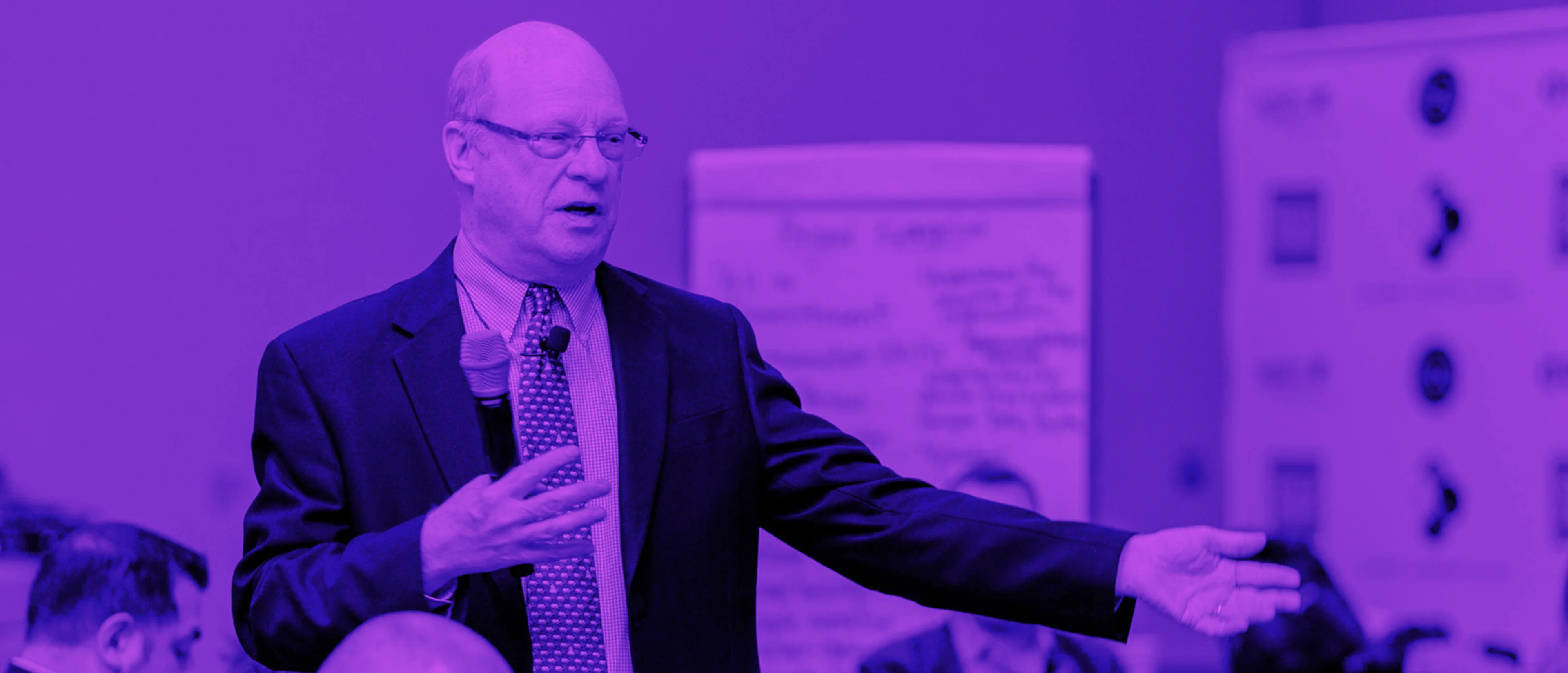
Chris Williams, Chairman of International Business at Tokio Marine, has lived this reality for most of his career. He joined us on Rethink Change to share what global leadership actually requires, not just in terms of business strategy, but in the everyday moments that define whether a team moves forward together or falls apart.
In our conversation, Chris opened up about the gut-check decisions that shaped his career, the cultural missteps that taught him what matters most, and the tough calls leaders have to make when someone is no longer the right fit.
Through this real-world lens, we gain an insider's view of what happens when you lead across borders, manage through complexity, and take responsibility for aligning people who work, think, and lead very differently.
Trust Your Gut: Global Leadership Starts with Self-Awareness
In a high-rise boardroom or a quiet airport terminal, there comes a moment every leader faces. You know something isn’t right. You feel it before you can explain it. The numbers might look fine. The resumes check out. But something in you is saying, “This isn’t going to work.”
Chris Williams remembers those moments clearly. Over the course of decades in global leadership, he has seen firsthand what happens when you ignore that quiet voice.
“Three times in my life I’ve gone against my gut instinct, and three times it bit me in the ass,” he said during our conversation.
Gut instinct is not guesswork. It is accumulated knowledge. It’s the result of years spent navigating high-stakes decisions, observing patterns, and witnessing how people behave when pressure is real. In global leadership, that instinct is one of the most valuable tools you have. But only if you choose to listen.
Ignoring your gut rarely delays the problem. It only pushes it further down the road, where it becomes harder to manage and more costly to correct. Whether it is a misaligned hire, a cultural red flag, or a business decision that seems solid on paper but feels off in your bones, that discomfort is data.
Global leadership requires both intelligence and instinct. The most effective leaders are the ones who can balance logic with lived experience. They do not wait for proof to become pain. They act early, ask questions, and are honest with themselves about what they are seeing.
And perhaps most importantly, they have the courage to speak up when something feels wrong, even if no one else sees it yet.
When Leadership No Longer Fits, Everyone Feels It
No one wants to admit when a person is no longer the right fit. Especially when that person has been loyal, likable, or previously successful. However, in global leadership, misalignment is something you cannot afford to carry.
Chris put it plainly. If your instinct tells you that someone is not able to lead at the required level, delaying the conversation only makes it worse. The longer you avoid it, the more damage is done. In international environments, where teams are distributed and communication is more nuanced, a poor leadership fit becomes clear quickly. You start to see trust unravel. Teams disconnect. Accountability slips. People stop asking for input and start making assumptions.
Chris shared stories of what happened when he waited too long. And while those decisions are never easy, the lesson became clear: holding on to the wrong leader is not a gesture of kindness. It is a slow erosion of trust.
Letting someone go is hard. So is reassigning them to a different role or having a direct conversation about performance. But the alternative is far worse. The culture suffers. The business stalls. And you lose credibility as a leader.
Global leadership is about clarity. It means having the confidence to make the hard call, and the empathy to do it with respect. It also means creating systems where leadership performance is evaluated not just by output, but by alignment with the organization’s direction and values.
Because the longer you try to push a square peg into a round hole, the more damage you do to the peg, the hole, and the person holding the hammer.
Letting Go of the Wrong People and Investing in the Right People
Chris is a strong believer in investing early in people who have the potential to lead globally. That does not mean dropping them into the deep end and seeing if they swim. It means giving them real experience with real support.
Too many companies wait until they are in a bind before looking around and asking, “Who’s ready to lead?” By then, it is often too late. The pipeline is thin. The people with potential have not been given the right opportunities. Those who have been promoted lack the context to lead effectively across cultures and time zones.
Chris emphasized the importance of international exposure as a leadership development tool. Working outside your home country changes the way you think. It forces you to listen more, assume less, and adapt quickly. It also builds credibility.
When someone has seen how business is conducted in Tokyo, London, and Sydney, they approach it with a broader lens. They are not just making decisions for their region. They are thinking about the entire organization.
Global leadership is not built overnight. It is developed through experience, mentorship, and intentional challenges. Chris believes in structured development plans, clear guardrails, and constant communication with up-and-coming leaders.
But it is not just about skill. It is about mindset. Future global leaders need to understand how to work with people who think differently, prioritize differently, and solve problems in ways that may not align with their own.
By nurturing rising stars early and giving them the tools and space to grow, companies build resilience. They are not scrambling to fill leadership gaps. They are preparing for the future, one intentional move at a time.
Are You Subscribed to the Show?
If you're leading across teams, cultures, or countries, or trying to build a more aligned and resilient organization, this episode with Chris Williams is a great place to start.
On Rethink Change, we speak with leaders who have faced real pressure, made tough decisions, and learned what it truly takes to keep people connected during change. From global leadership to culture fit to developing the next generation of talent, these are the conversations that move beyond theory and into real-world insight.
This show is hosted by CEO Ward Pennebaker and President Matt Pennebaker, who deliver sharp insights from battle-tested leaders who have navigated chaos and turned challenges into momentum.