What really holds a global company together when the stakes are high and the clock is ticking? Is it hierarchy and structure, or is it the trust and communication that allow people to move quickly, make hard calls, and solve problems before everything grinds to a halt?
Cultural values shape how people see fairness, loyalty, and success, and those differences can either create conflict or open the door to stronger collaboration. Without a clear vision to unify global teams, even the strongest strategies fall short if leaders do not understand the people behind them.
This is the lesson Bob Westendarp learned while helping to unify global operations at Griffin Global Group. What began as a small travel agency grew into a company operating in 22 countries, and its success depended on more than logistics.
By relying on trust instead of hierarchy, respecting cultural values, and unifying global branding, Bob and his team transformed a fragmented business into the world’s largest marine travel agency.
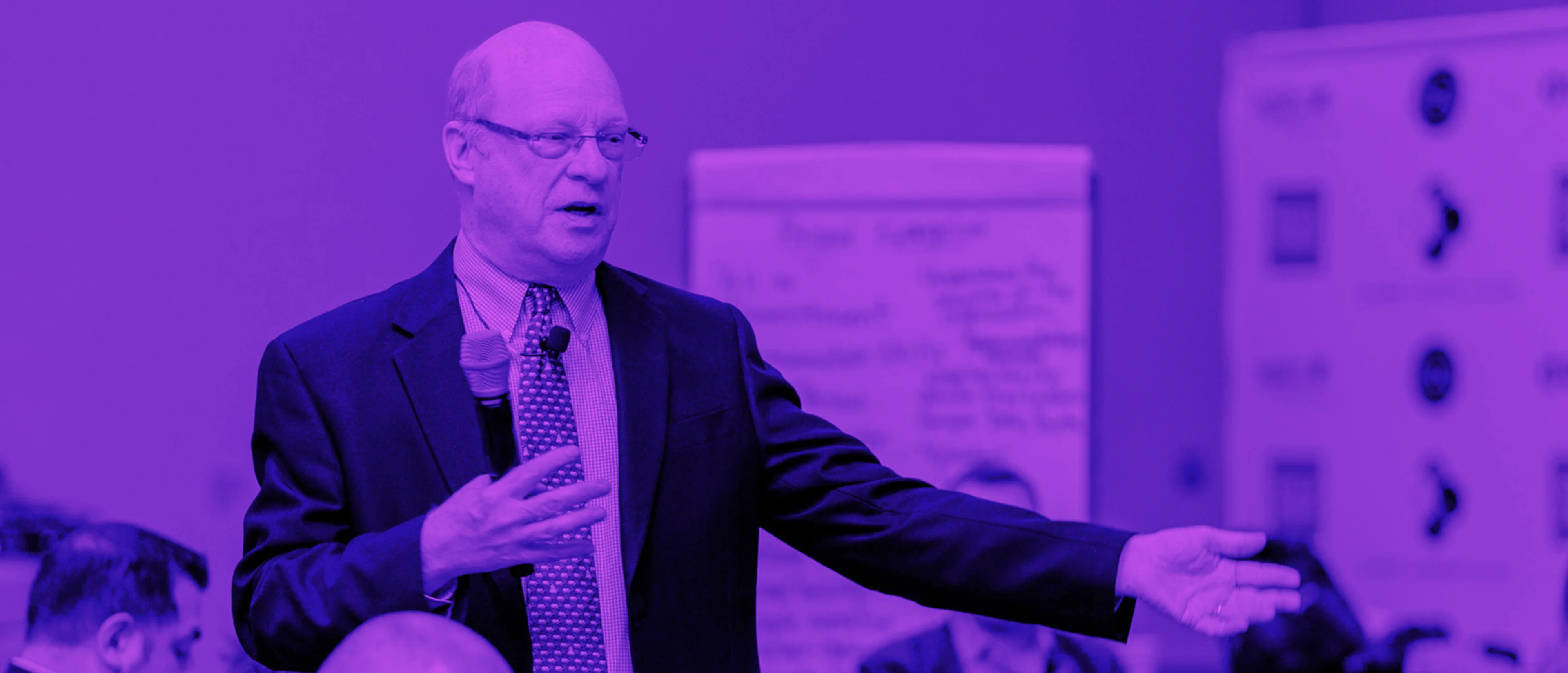
Meet Our Guest, Bob Westendarp
Bob didn’t enter the travel business as a seasoned executive; he was just an accountant seeking free flights. But what started as a small side project with his wife quickly grew into a pioneering venture that redefined global crew logistics.
By spotting an untapped niche in marine and offshore travel, Bob helped transform Griffin into a 22-country operation with 32 offices, moving nearly a quarter of the world’s ship crews across oceans.
In this conversation, Bob sits down with Matt and Ward to share the lessons learned from decades of reinvention. He explains why trust and communication matter more than hierarchy, how cultural differences can derail or define international partnerships, and why a unified global brand became the secret to Griffin’s explosive growth.
Bob also reflects on navigating succession planning, managing shareholder rivalries across continents, and ultimately selling Griffin to its largest competitor.
Trust and Communication Over Hierarchy
Picture a ship docking unexpectedly in Singapore at midnight. Twenty exhausted crew members need flights home, and twenty replacements are waiting across three continents.
Every hour matters.
During those moments, the team can’t wait for approvals to trickle down through the chain of command. They have to act and trust one another completely.
When Bob Westendarp stepped into leadership, he quickly learned that structure alone could not carry a company forward. In the marine travel industry, timing is everything.
“The most important lesson I learned early in running a business is to build trust and communication rather than a hierarchical system of management,” Bob explained.
Trust gave his team the freedom to act quickly when decisions could not wait. Communication ensured that every office remained aligned, even while solving problems in real-time.
This approach created a culture where employees felt empowered and accountable. By leading with trust instead of hierarchy, Griffin was able to unify global operations into a cohesive team that responded as one, regardless of the challenge.
How to Unify Global Teams by Navigating Cultural Differences
As Griffin expanded into 22 countries, Bob discovered that the hardest challenges were not about logistics but about people. Eight shareholders from different nations brought their own values and perspectives to the table. For some, fairness and loyalty were the highest priorities. For others, tradition, harmony, or individual success carried the most weight.
“You’ve got to recognize and understand the importance of cultural value differences and take them into consideration in dealing with people around the world,” Bob said. Without that understanding, conversations broke down, tempers rose, and progress stalled.
Instead of ignoring these differences, Bob learned to listen carefully and adapt his approach. If a partner believed an idea was unfair, he would step back, let the emotions settle, and then reframe the idea in terms of fairness. That patience and cultural awareness turned potential conflict into alignment.
By choosing to respect and adapt rather than resist, Griffin was able to unify global teams into one company that valued both its differences and its shared purpose.
The Power of a Unified Brand and Vision
For many years, Griffin looked more like a collection of local agencies than a single global company. Each office had its own ownership, its own logo, and its own way of describing what the business actually did.
“Every Griffin on every logo was a little different,” Bob remembered. That inconsistency weakened both internal cohesion and external credibility.
The turning point came when the partners agreed on a single vision and brand. They defined a clear message that reflected the true nature of their work: an urgent response to urgent needs. From that moment forward, every office used the same words, the same colors, and the same griffin logo.
The shift went far beyond marketing. A unified brand provided employees with clarity and pride, while clients finally experienced Griffin as a seamless, global partner rather than a patchwork of offices. This ability to unify global identity created the alignment needed for Griffin to grow into the world’s largest marine travel agency.
Are You Subscribed to the Show?
If you are leading across teams, cultures, or countries, or working to unify global operations under one vision, this episode with Bob Westendarp is a great place to start.
On Rethink Change, we sit down with leaders who have faced real pressure, navigated complex change, and learned what it takes to keep people connected.
From leadership lessons to brand alignment to making lemonade out of lemons, stories like Bob’s move beyond theory and offer insight you can apply in your own organization.
This show is hosted by CEO Ward Pennebaker and President Matt Pennebaker, who deliver sharp insights from battle-tested leaders who have navigated chaos and turned challenges into momentum.